Creating Calm Mornings: A Guide to the My Morning Routine Workbook for Kids
Mornings can be the most trying part of the day for many families. The struggle to get everyone out the door on time, with teeth brushed, shoes on, and attitudes intact, is a universal parenting challenge. You might find yourself repeating the same instructions every single morning, only to be met with resistance, distraction, or a sudden inability to find a matching sock. This cycle is draining, and it often leaves both parent and child feeling frustrated before the school day even begins. This is where a structured, child-friendly tool like My Morning Routine Workbook for Kids can transform your family's mornings from a source of stress into a foundation for confidence and cooperation.
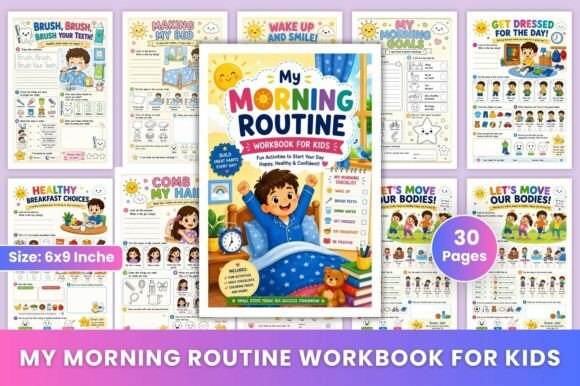
At its core, My Morning Routine Workbook for Kids is an interactive activity book designed for children aged 4 to 10. It is not a workbook in the traditional academic sense; it is a guided experience that uses colorful pages, engaging checklists, and simple activities to help children own their morning habits. The workbook helps kids visualize what a successful morning looks like, step by step, while also teaching emotional awareness, goal setting, and self-care. For parents, it offers a concrete way to stop nagging and start empowering.
Why Mornings Are Difficult and What the Workbook Addresses
Morning chaos usually stems from a few common sources. Young children often lack a clear sequence of events in their minds. They do not understand the progression from waking up to eating breakfast to brushing teeth as a chain of responsibilities. Instead, they react to whatever is happening in the moment. Add to that the natural resistance to transitions, especially from sleep to the demands of school, and you have a recipe for daily battles.
Another key issue is that children thrive on predictability, but many family mornings feel unpredictable. When a child does not know what comes next, they may feel anxious or overwhelmed, which can manifest as stalling, meltdowns, or refusal. My Morning Routine Workbook for Kids directly addresses these pain points by externalizing the routine. The workbook makes the sequence of tasks visible, tangible, and personal. Instead of relying on a parent's verbal reminders, the child learns to check their own progress using the morning routine checklist. This shifts the responsibility from you to them, which is exactly where it needs to be as they grow.
Furthermore, many children need help identifying and articulating their emotions. A child who wakes up feeling grumpy or anxious may not have the words to express it, and that internal discomfort often leads to difficult behaviors. The daily feelings mood check-ins included in the workbook give children a safe, structured way to acknowledge how they feel each morning. This simple act of checking in can reduce acting out because the child feels heard and understood before the demands of the routine even begin.
Practical Applications: How Families Use the Workbook
The real value of My Morning Routine Workbook for Kids lies in how families integrate it into their daily lives. One of the most effective approaches is to use the workbook together during a calm moment, not during the morning rush itself. Many parents find that sitting down with their child on a weekend afternoon to look through the workbook together sets the stage for a smoother week. During this session, the child can color the pages, personalize their checklist, and talk about which habits feel easy and which ones need extra focus.
Another strong application is using the weekly routine tracking charts. These charts help build consistency and accountability in a way that feels like a game rather than a chore. When a child sees a week of completed checks, they experience a sense of genuine accomplishment. This builds internal motivation, which is far more sustainable than external rewards or punishments. For example, if a child tracks that they made their bed every morning for a week without being reminded, that achievement becomes part of their identity. They begin to see themselves as someone who is responsible and capable.
The goal-setting component is another practical tool that parents appreciate. Setting simple daily goals, such as "put my toys away before breakfast" or "say one kind thing to my sibling," helps children focus their energy on something positive. This is especially useful for children who tend to feel overwhelmed by the entire morning sequence. By narrowing their attention to one or two key goals, they build confidence that can then expand to the full routine.
Outcomes Parents Can Expect
When My Morning Routine Workbook for Kids is used consistently, several positive outcomes tend to emerge. First, children develop a stronger sense of independence. They begin to check their own checklist and complete tasks without being prompted. This is a relief for parents who are used to repeating the same instructions five times every morning. The workbook essentially becomes a neutral third party that the child respects. It is not Mom or Dad telling them what to do; it is the routine itself.
Second, mornings become quieter and more cooperative. The chaos that once defined the early hours gradually gives way to a predictable flow. Children who know exactly what is expected of them are less likely to resist. The healthy breakfast nutrition pages and morning exercise activities also give kids positive things to look forward to, which shifts the morning focus from "having to do things" to "getting to take care of myself."
Third, the workbook supports emotional regulation. The positive mindset practice, which includes gratitude prompts and affirmations, helps children start their day with a constructive internal dialogue. Instead of waking up with a negative or anxious mindset, they learn to consciously choose a positive perspective. For parents, this can mean fewer arguments and more moments of genuine connection before everyone heads out the door.
Different Approaches for Different Families
Not every family will use the workbook in the same way, and that is perfectly fine. Some families with younger children, ages 4 to 6, may focus heavily on the colorful checklists and sticker-style tracking. These children benefit from visual cues and the feeling of completing a task. Parents might laminate the checklist page and place it on the bathroom mirror or by the child's bed for daily use.
Families with older children, ages 7 to 10, may lean more into the goal-setting and emotional check-in components. These children are capable of reflection and can benefit from naming their feelings and setting intentions. Parents might use the workbook as a conversation starter during breakfast or as a tool for evening reflection about the next day's goals. Some families use the workbook only during the school year, while others find it helpful for maintaining structure during summer break or holidays.
For children with attention or executive function challenges, the workbook can be used in a more flexible way. Instead of requiring every page to be completed, parents can pick and choose the sections that address their child's specific needs. The key is to focus on the habits that are most challenging, such as getting dressed or eating a balanced breakfast, and use the workbook as a gentle guide rather than a strict checklist.
Practical Considerations for Getting Started
To get the most out of My Morning Routine Workbook for Kids, consistency matters more than perfection. It is better to use two or three pages well every day than to rush through the entire workbook in one sitting. Start with the morning routine checklist and the mood check-in, as these two elements address the most common morning challenges: forgetfulness and emotional dysregulation. Once these feel natural, add in the goal-setting and tracking pages.
You can also use the workbook to create a morning routine poster or chart that the child can refer to independently. This is especially helpful for children who are visual learners or who need a physical reminder of what comes next. The workbook is designed to be flexible enough that families can adapt it to their specific morning schedule, whether that includes time for stretching exercises, a quiet breakfast, or simply a few minutes of gratitude.
It is also important to note that the workbook is not a one-time fix. Habits take time to form, especially for young children. Some mornings will still be hard, and that is okay. The workbook is a tool, not a magic solution. What it offers is a consistent framework that both parent and child can return to day after day, building a foundation of healthy habits and mutual understanding.
Why This Approach Works for Children Aged 4 to 10
The age range of 4 to 10 is a critical window for habit formation. During these years, children are developing executive function skills like planning, organization, and self-regulation. However, these skills are not innate; they must be taught and practiced. My Morning Routine Workbook for Kids is designed specifically for this developmental stage, using age-appropriate language, engaging visuals, and activities that feel like play rather than work.
For the younger end of the spectrum, the workbook helps children learn the sequence of morning tasks in a low-pressure way. They may not be able to read the checklist at age 4, but they can point to the pictures and understand what comes next. For older children, the workbook fosters a sense of ownership over their morning. They take pride in checking off tasks independently, which builds self-esteem and prepares them for the greater responsibilities of adolescence.
The workbook also bridges the gap between what parents expect and what children are capable of. Many parents have high expectations for their child's morning routine but lack a tool to teach those skills step by step. The workbook fills that gap by breaking down complex routines into manageable pieces. It teaches not just what to do, but how to do it, and why it matters.
Supporting Long-Term Healthy Habits
Beyond the immediate goal of calmer mornings, the habits reinforced by this workbook have long-term benefits. Children who learn to brush their teeth, eat a balanced breakfast, and make their bed every day are developing discipline and self-care routines that will serve them well into adulthood. The stretching and exercise activities promote physical health and an active lifestyle. The nutrition pages encourage mindful eating choices. The positive mindset practice fosters resilience and gratitude.
Parents often report that after using My Morning Routine Workbook for Kids for several weeks, they notice improvements not just in the morning, but throughout the day. Children who feel successful in the morning carry that confidence into school, social interactions, and other activities. The structure of the morning routine sets a positive tone that ripples outward, making the entire day feel more manageable for everyone.
Ultimately, the workbook is an investment in your child's autonomy and your family's peace. It replaces power struggles with partnership, chaos with clarity, and frustration with a shared sense of accomplishment. Whether your mornings are currently a breeze or a battleground, this tool offers a practical, child-centered path toward a more positive start to the day.